Seafood Buying Guides
We focus on key industry benchmarks such as size grading, processing methods (IQF, block frozen, brine frozen), and international compliance standards including HACCP, EU export certifications, and FDA requirements. Our guides also highlight the importance of traceability, sustainability, and responsible sourcing, helping your business align with modern consumer demand for eco-conscious seafood. By understanding product specifications, storage requirements, and seasonal availability, you can reduce waste, improve menu planning, and increase profitability across your seafood supply chain.
How to Choose the Right Seafood Products
Selecting the right seafood begins with understanding your end use—whether for food service, retail packaging, or redistribution. For restaurants, portion control, consistency, and ease of preparation are critical, making IQF fillets and pre-portioned seafood ideal. Retail buyers often prioritize visual appeal, packaging quality, and shelf life, while distributors focus on volume efficiency and price stability. Key factors to evaluate include species origin, catch method (wild-caught vs farm-raised), fat content, texture, and flavor profile.
It’s also essential to assess grading standards such as shrimp count per kilogram (e.g., 30/40, 40/50), fish size ranges, and fillet trim quality. Premium-grade seafood typically offers better yield and presentation, while lower grades may suit processed or bulk applications. Understanding these differences allows buyers to match products precisely to their operational needs, ensuring both quality and cost efficiency.
Key Buying Tips for Wholesale Seafood
- Always verify product specifications, including size, grade, and processing method
- Choose suppliers with full traceability and transparent sourcing practices
- Match seafood type to your business model (food service, retail, or distribution)
- Prioritize consistent cold chain logistics and proper storage conditions
- Check seasonal availability to secure better pricing and quality
- Balance cost with yield and quality for maximum profitability
Track an order
Call/WhatsApp +55 11 98020-4237
or email info@foodsofthesea.com
Smart Seafood Sourcing Starts Here
Select Your Perfect Seafood
With portions and recipes out of the way, it’s time to select the specific seafood that highlights the best qualities of your dish.
- Taste Profile: Finfish range from mild and sweet to rich, buttery, or distinctly oceanic. Shellfish can be sweet and tender, or salty and briny (like oysters, whose flavor is deeply influenced by the waters they grow in).
- Texture: Consider the mouthfeel. Do you want the firm, meaty bite of ahi tuna, the delicate flakiness of sole, or the tender melt-in-your-mouth feel of sea scallops?
- Sustainability: Prioritize sustainable seafood to protect marine ecosystems. Good purveyors proudly share their sourcing practices to help you make an informed, eco-conscious decision.
- Wild vs. Farmed: Farmed seafood tends to be slightly milder and fattier, while wild-caught fish often boasts a more nuanced, robust flavor profile due to their natural diets.

Where to Buy & What to Expect to Spend
Whether shopping in person or ordering delivery, always prioritize vendors with stellar reviews, transparent sourcing, and excellent customer service. Assess freshness by looking for firm flesh, clear eyes, and a clean, ocean-like scent. Pricing Factors :
As the saying goes, “Good seafood isn’t cheap, and cheap seafood isn’t good.” Expect to pay anywhere from $5/lb for lower-tier options up to premium prices for specialty catches. Prices fluctuate based on the species’ rarity, seasonality, wild vs. farmed sourcing, geographic location, and even weather patterns affecting the fishermen.
| Popular Seafood Type | Estimated Price Range |
|---|---|
| Farmed Salmon | $8 – $60 / lb |
| Wild Ahi Tuna Steaks | $15 – $65 / lb |
| Shrimp | $7 – $35 / lb |
| Premium Roe & Caviar | $11 – $940 / oz |
Understanding Seafood Processing Methods
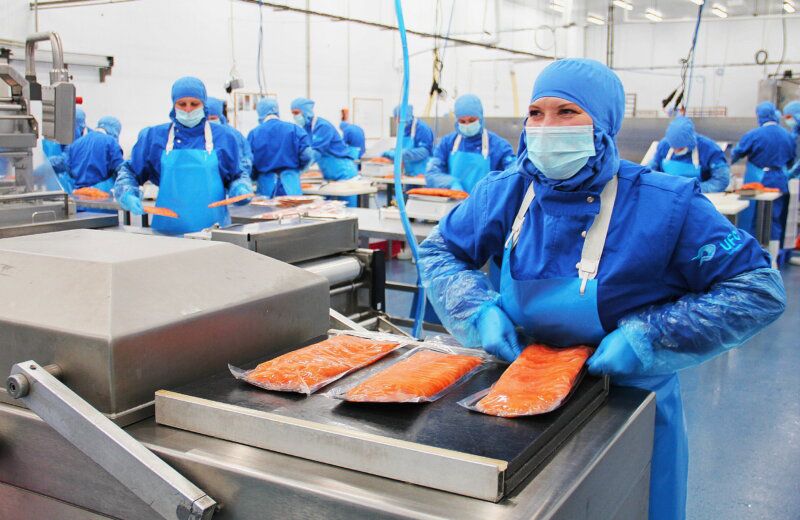
Buyers should also consider value-added processing such as filleting, skinning, deveining, and portion cutting, which can reduce labor costs and improve kitchen efficiency. Choosing the right processing method depends on your storage capabilities, distribution model, and customer expectations.
Bulk Buying Made Simple
Our expert seafood buying guides simplify the wholesale process, helping you choose the right products, optimize costs, and ensure consistent quality for your business.
Trusted Industry Expertise
With deep knowledge of global seafood standards, processing methods, and sourcing practices, we provide reliable insights to support smarter purchasing decisions.
Cold Chain & Storage Best Practices
Maintaining an unbroken cold chain is critical in wholesale seafood distribution. From processing facilities to final delivery, seafood must be stored and transported at consistent temperatures to prevent spoilage and maintain food safety. Frozen seafood should be kept at -18°C or lower, while fresh chilled products must remain close to 0°C. Any temperature fluctuation can compromise texture, flavor, and shelf life.
Proper storage also involves humidity control, hygienic handling, and inventory rotation using FIFO (First In, First Out) practices. Businesses that invest in reliable cold chain logistics benefit from reduced product loss, improved quality consistency, and stronger customer trust.
Sustainability & Responsible Sourcing
Modern seafood buyers are increasingly prioritizing sustainability and traceability. Choosing suppliers that follow responsible fishing practices—such as selective gear use, quota management, and habitat protection—helps preserve marine ecosystems and ensures long-term supply stability. Certifications and compliance with international standards provide additional assurance of ethical sourcing and environmental responsibility.
Sustainable seafood sourcing not only supports ocean health but also enhances brand reputation and meets the growing demand for eco-friendly products. Businesses that integrate sustainability into their procurement strategy position themselves as leaders in a competitive global market.
Frequently Asked Questions (FAQ)
Have questions about ordering from Foods of The Sea? Find quick, detailed answers below regarding our premium sourcing in Ecuador or Norway our specialized international shipping networks, and how we guarantee peak freshness right to your doorstep.
Should I Buy Frozen, Fresh, or Refreshed?
How Long Can I Store It?
Fresh and refreshed seafood should be consumed within 1 to 3 days of purchase. Deeply frozen seafood can be stored for up to 3 months, and should be cooked within 2 days of thawing.
How Do I Know It's Sustainable?
Will my entire order arrive in a single box?
To guarantee the absolute best quality and temperature control, we never mix climates. Freshly frozen items, live/fresh seafood, and shelf-stable pantry items require vastly different environments. Therefore, they will always be shipped in separate, specialized boxes, which may occasionally arrive at slightly different times on your chosen delivery day.
<[/et_pb_toggle]
How should I safely handle and dispose of the dry ice in my package?
Dry ice is extremely cold (-78.5°C / -109.3°F) and should never be touched with bare hands. Always use protective gloves or a thick towel to handle it. To safely dispose of it, simply place it in a well-ventilated outdoor area (like a backyard or an open garage) and let it turn into gas naturally. Keep it completely out of reach of children and pets, and never place it in a sealed container or sink.
What are your shipping rates and order minimums for Europe?
- Frozen Seafood: FREE shipping on orders of €150 or more. Orders under $1000 ship fast and secure for a flat rate starting from $29.99.
- Fresh & “Live” Seafood: Enjoy FREE overnight (1-day) shipping on all orders, with absolutely no minimum purchase required.
- Pantry & Merchandise: Enjoy FREE shipping on all shelf-stable items, with no minimum purchase required. These typically arrive within 4 to 7 days.
Where does Foods of The Sea source its seafood?
Which countries do you ship to, and where is your main market?
While we ship our premium seafood locally in South America and globally to the United States, Asia, and Australia, our core focus and primary distribution network is dedicated to Europe. We have optimized our logistics to ensure fast, seamless delivery across the European continent.
How is the seafood packaged to ensure it stays fresh during transit?
We utilize state-of-the-art cold chain packaging. Our freshly frozen items are vacuum-sealed at peak freshness and packed with heavy-duty dry ice to maintain a deep-freeze environment. Our live and fresh catches (like lobsters and shellfish) travel in breathable nets with specialized gel packs to ensure an uninterrupted, chilled climate from our shores to your kitchen.
Can I choose a specific delivery date for my order?
Yes, absolutely! We want you to be fully prepared for your seafood feast. You can conveniently select your preferred delivery date directly at checkout, allowing you to plan your meals or special events with complete confidence.