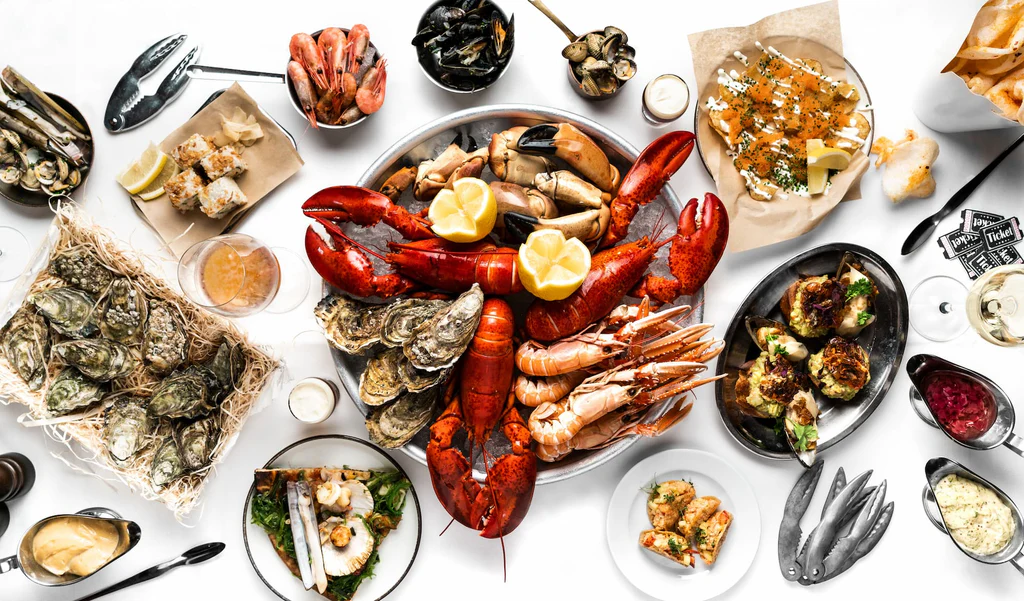
Seafood Serving Sizes
Determining the perfect portion size for seafood can vary depending on your personal wellness targets, the type of fish you are preparing, and whether you are cooking for a quiet family dinner or a festive crowd. According to general health guidelines from the FDA and the American Heart Association, adults should aim for a minimum of 8 ounces of seafood per week.
How Much Seafood Should I Eat and How Often?
Here are some other quick tips:
- If you are unsure or for any other seafood not listed, a good rule of thumb is to prepare 6oz-8oz per person for an entrée and 3oz-4oz per person for a starter portion.
- Keep in mind that some seafood has parts of it that you may not consume. For example, the shell of a lobster or the bones of whole fish (unless you are making stock). In these instances you will want to account for the meat yield (how much edible meat you get). That’s why we recommend a higher weight when purchasing whole fish vs. fish fillet. You can often find this information on our product pages, but don’t hesitate to reach out to customer service with any questions that you may have.
- In general, it also depends on what other food you are serving. When planning for events it is helpful to keep the following rule of thumb in mind. Each adult will typically consume about 1lb of food total and children will consume about ½lb. Often people will consume a bit more during evening events.
Seafood Portion & Party Planner
Calculate exactly how much raw seafood you need to order for your next meal or event.
The Master Reference Cheat Sheet
| Seafood Category | Entrée Main Portion (Per Person) | Starter / Appetizer Portion |
|---|---|---|
| 整條魚 (Branzino, Snapper, Sea Bass, Porgy, Mullet) |
1 lb (16 oz) | Not recommended for starters |
| Fish Fillets (Cod, Perch, Mackerel, Flounder, Tilapia) |
6 oz – 8 oz | 3 oz – 4 oz |
| Fish Steaks & Portions (Salmon, Tuna, Halibut, Mahi Mahi, Monkfish) |
6 oz – 10 oz | 3 oz – 4 oz |
| Wild Shrimp | 8 oz | 4 oz |
| Crab Legs / Whole Crabs | 1 – 1.5 lbs of legs or 3 – 4 whole crabs | N/A |
| Picked Crab Meat | 4 oz – 6 oz | 2 oz – 3 oz |
| Whole Lobster / Lobster Tails | 1 – 1.5 lbs whole or an 8 oz tail | N/A |
| Picked Lobster Meat | 6 oz – 8 oz | 3 oz – 4 oz |
| Clams, Oysters & Mussels | 1 lb (approx. 12–18 pieces) | 0.5 lb (approx. 6–10 pieces) |
| Sea Scallops | 6 oz – 8 oz (approx. 4–6 pieces) | 3 oz – 4 oz (approx. 2–3 pieces) |
| Whole Crawfish | 3 lbs – 5 lbs | N/A |
Portion Guidelines for Children, Pregnancy, and Nursing
One serving of seafood is 4oz after it has been cooked, or about the size of a deck of cards. .Premium seafood is exceptionally rich in structural proteins, Vitamin D, Vitamin B12, and bioavailable iron, making it one of the absolute best dietary additions to support a child’s cognitive growth and safe physical development. However, because mercury levels naturally accumulate differently across marine ecosystems, specialized dietary caps apply to these groups to keep exposure perfectly safe.
🤰 Pregnant or Nursing Women
- Low-Mercury Selections (Enjoy 2 to 3 servings of 4oz per week): Focus heavily on highly nourishing choices such as salmon, wild shrimp, cod, tilapia, and crab.
- Moderate-Mercury Selections (Cap at max one 4oz serving per week): Limit species that sit slightly higher on the food chain, such as tuna, grouper, monkfish, or halibut.
- Avoid Entirely: Do not consume high-mercury predatory species, including marlin, shark, swordfish, and tilefish.
👶 Children (Ages 2 and Up)
Children should enjoy a rotating variety of safe seafood 2 to 3 times per week to leverage essential development nutrients:
- Ages 2 to 4: One standard pediatric serving size is just 1 ounce.
- Ages 4 to 11: One standard pediatric serving size scales up to 4 ounces.
Can You Enjoy Too Much Seafood?
The short answer is no. While you do not need to feature seafood at every single meal, enjoying a fresh catch once a day is an incredibly healthy lifestyle choice—and far easier on your cardiovascular system than eating red meat daily. To balance your routine smoothly, consider these simple categories:
- Lean, Flaky White Fish (Cod, Flounder, Haddock, Tilapia): You can enjoy these dense, pure structural proteins as many times per week as you like. There are virtually no restrictions.
- Oily Fish & Shellfish (Salmon, Tuna, Mackerel, Lobster, Shrimp): For a balanced dietary matrix, enjoy these highly potent options weekly for healthy fats and minerals.