
Fishing & Processing
We preserve the quality and freshness of your premium seafood with our IQF (Individually Quick Frozen) solutions, perfect for small whole fish. Our specialized airflow system ensures each piece, from peeled shrimps to sardines, anchovies, and smelt, is quickly and individually frozen.
Rastrea un pedido
Call/WhatsApp +55 11 98020-4237
or email info@foodsofthesea.com
Buy FRESH SEAFOOD Online
Our commitment extends to transparent sourcing and full traceability across every stage of the supply chain. Each product is carefully documented from vessel to delivery, ensuring accountability, food safety, and environmental responsibility. By prioritizing wild-caught and responsibly farmed seafood, we reduce environmental impact while supporting coastal communities and ethical fishing operations. Our approach not only meets but exceeds modern consumer expectations for sustainable seafood sourcing, making us a trusted partner for businesses seeking high-quality, eco-conscious seafood solutions.
Sustainable Fishing & Responsible Harvesting
At the core of our seafood supply chain is a commitment to sustainable fishing practices and eco-friendly harvesting methods that protect marine ecosystems while delivering premium-quality seafood. We source from trusted fisheries that follow internationally recognized standards such as Marine Stewardship Council (MSC) guidelines and responsible wild-catch techniques, including line catching, trap fishing, and selective netting designed to minimize bycatch and habitat disruption. Our partners operate in carefully monitored fishing zones, adhering to seasonal quotas, size regulations, and traceability protocols that ensure every catch supports long-term ocean health. From cold, nutrient-rich waters to tropical fisheries, each species is harvested at peak maturity, preserving both flavor and population balance while maintaining compliance with global sustainability benchmarks.
Advanced Seafood Processing & Quality Control
Our seafood processing operations combine modern technology with strict hygiene protocols to preserve freshness, texture, and nutritional value. Immediately after harvest, seafood is rapidly chilled or flash frozen using Individual Quick Freezing (IQF) and brine-freezing techniques to lock in natural flavor and prevent cellular damage. Our processing facilities follow HACCP systems and comply with international food safety standards, including EU and FDA export requirements. From grading and sorting to precision filleting and vacuum packaging, every step maintains consistency, to extend shelf life, and meet the demands of global seafood markets.
Eco-Friendly Harvesting
We prioritize low-impact fishing methods such as line catch and trap systems that reduce bycatch, protect marine habitats, and support sustainable fish populations for future generations.
Certified Quality & Safety
Our processing facilities follow HACCP protocols and international food safety standards, ensuring every product meets strict quality, hygiene, and traceability requirements.
IQF Seafood Freezing
Lock in Freshness. Maximize Your Yield.
Protect the premium quality of your seafood with our high-performance IQF (Individually Quick Frozen) solutions. Engineered with a specialized precision airflow system, our technology rapidly freezes each piece individually to prevent clumping and preserve the “just-caught” integrity of your product.
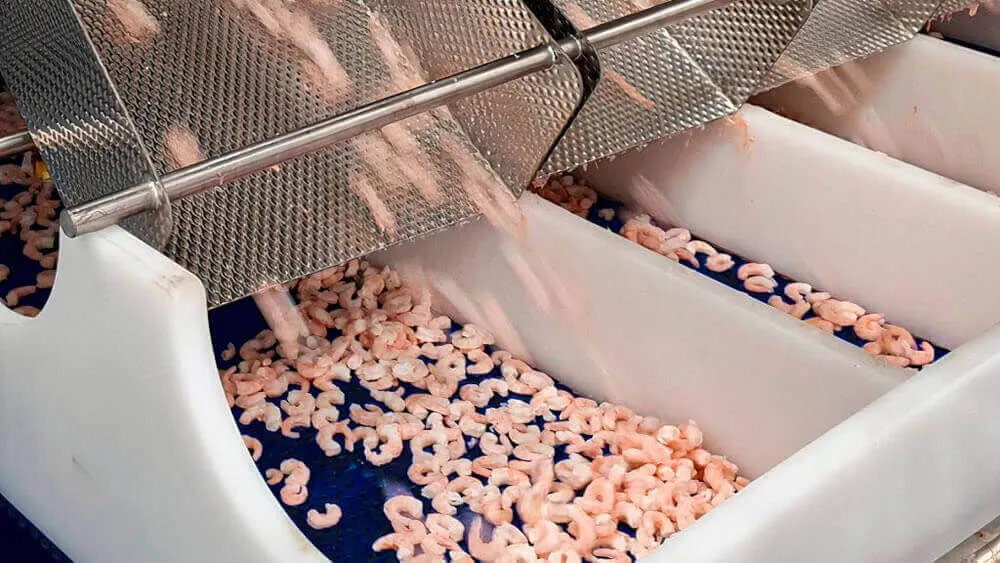
Optimized for Delicate & Small-Specie Seafood:
-
Small Whole Fish: Perfect for sardines, anchovies, and smelt.
-
Shellfish & Portions: Seamlessly handles peeled shrimp and delicate seafood.
Why Processors Partner with Us:
-
Stop the Clock on Decay: Ultra-fast freezing locks in natural moisture, flavor, and texture.
-
Boost Your Bottom Line: Precise freezing minimizes dehydration and drip loss, keeping your product weight—and your profits—exactly where they should be.
-
Meet Global Standards: Deliver premium-grade frozen seafood that consistently satisfies the strictest market demands.
Ready to upgrade your cold chain? Partner with us today to elevate your product quality and efficiency.
What is IQF seafood, and how does it prevent product clumping?
Unlike block freezing, which packs seafood tightly together and freezes it slowly over several hours, IQF technology processes each piece independently. Our specialized IQF tunnel uses a continuous conveyor and mechanical fluidization.
High-velocity cold air is blasted upward through a perforated mesh belt, lifting and rotating the seafood in a suspended “fluid” state. This creates an instantaneous surface-freeze (or “crust-freeze”) on all sides of the product, locking in natural moisture and physically preventing individual pieces from fusing together.
How does IQF technology reduce "drip loss" and preserve seafood texture?
QF preserves seafood texture and virtually eliminates “drip loss” by freezing the product so quickly that only microscopic ice crystals form, preventing the cellular walls of the seafood from rupturing.
Extended Technical Explanation:
During slow, traditional freezing, water inside the seafood cells passes through the Critical Freezing Zone (-1°C to -5°C) over an extended period (often exceeding 60 minutes). This delay allows water molecules to expand and form large, sharp, needle-like extracellular ice crystals that puncture cell membranes. Upon thawing, these ruptured cell walls allow natural cellular juices to escape (drip loss), leaving the seafood dry, spongy, and lacking flavor.
IQF technology transitions the product through the Critical Freezing Zone in minutes. This rapid heat transfer results in the formation of tiny, rounded intracellular ice crystals that leave the delicate cellular structure completely undamaged.
| Freezing Metric | Individual Quick Freezing (IQF) | Traditional Block Freezing |
| Freezing Time | Fast (typically 6 to 18 minutes) | Slow (hours to days) |
| Ice Crystal Size | Microscopic (remains inside cells) | Large, needle-like (ruptures cell walls) |
| Drip Loss (Upon Thaw) | Less than 1% to 2% | High (often 10% or more) |
| Portion Usability | Take out exact portion needed | Must thaw the entire block |
Difference between an IQF fluidized bed freezer and a standard blast freezer
A fluidized bed freezer uses a continuous stream of upward-blowing cold air to suspend and float small seafood items, whereas a standard blast freezer relies on static cold air circulated around stationary trays of product.
While both systems achieve low core temperatures, their mechanical action and suitability for different product shapes vary:
-
Fluidized Bed (IQF): Specifically designed for loose, small-to-medium products like peeled shrimp, scallops, and small pelagic fish (sardines, anchovies, smelt). The upward air pressure acts as a conveyor itself, gently tossing the product so that no two pieces stick together or adhere to the metal belt.
-
Static Blast Freezer: Best suited for bulk packaging, large whole fish (such as salmon or tuna), or pre-packaged trays. Because the product is completely stationary, moisture evaporates from the exposed surfaces over several hours, leading to higher dehydration weight loss (often 2% to 3% or more) and severe clumping if items touch.
Can small species like sardines be processed without skin tearing?
Yes, small and delicate pelagic fish can be processed without surface tearing or bruising by utilizing a two-stage IQF conveyor belt with adjustable, low-velocity mechanical airflow.
Delicate fish species have highly fragile skins and soft belly tissues that are easily damaged under aggressive mechanical agitation. To prevent this, our advanced IQF tunnels utilize a dual-step freezing process:
-
The Crusting Zone: At the entry point, the fish are exposed to an instantaneous, high-velocity blast of -40°C air. This rapidly crust-freezes the outermost layer of moisture, creating a hard, protective structural shell around each fish before they can stick or suffer mechanical damage.
-
The Deep-Freezing Zone: Once the protective crust is formed, the fish move to a secondary belt where the airflow is lowered to a gentle, steady fluidization state. This allows the core of the fish to safely drop to -18°C or lower without violent collisions that could bruise the flesh or knock off scales.
How does IQF processing increase yield and profitability for seafood sales?
IQF directly optimizes distributor profit margins by reducing product weight loss from dehydration, lowering waste during thawing, and enabling high-value retail portion packaging.
Traditional freezing methods hide significant financial losses in moisture evaporation and product damage. IQF recovers these lost margins in three primary ways:
-
Eliminating Evaporative Weight Loss: Slow air freezing can cause a product to lose up to 3% of its total weight to air-moisture evaporation before it fully solidifies. IQF’s rapid crust-freezing seals the surface so fast that dehydration loss is cut to less than 1%, meaning you sell the actual weight of the seafood, not lost water vapor.
-
Maximizing Net Thawed Yield: Because drip loss is minimized to less than 2%, your B2B customers (restaurants, retail packaging plants) get exactly the weight of cooked product they paid for.
-
Premium Retail Positioning: Individually frozen seafood allows end-users to use exact portions without defrosting whole boxes. This high level of convenience and zero-waste capability commands a much higher premium price per kilogram in the market compared to bulk block-frozen alternatives.
What are the proper thawing guidelines for premium IQF seafood?
To preserve the delicate texture and fresh flavor of IQF seafood, it should be defrosted slowly in a refrigerator at 2°C to 4°C (35°F to 39°F), or quickly submerged in cold running water while sealed inside a watertight bag.
Because IQF technology locks the raw protein and moisture in its original cellular state, improper thawing can shock the muscle fibers and ruin the texture.
-
The Refrigerator Method (Highly Recommended): Place the required portion of seafood on a tray lined with paper towels, cover it, and let it defrost in the refrigerator for 8 to 12 hours. This gentle, low-temperature transition allows the microscopic ice crystals to melt slowly, allowing the water to be reabsorbed naturally by the proteins.
-
The Cold Water Method (Quick Thaw): Place the frozen seafood inside a sealed, leak-proof plastic bag and submerge it in a bowl of cold tap water. Change the water every 30 minutes, or keep it under a very slow trickle of running cold water.
-
What to Avoid: Never defrost IQF seafood in hot or warm water, at room temperature, or in a microwave. Rapid temperature spikes cause the muscle proteins to contract sharply, forcing out all moisture and rendering the delicate fish mushy and dry.