
Health Benefits of Seafood
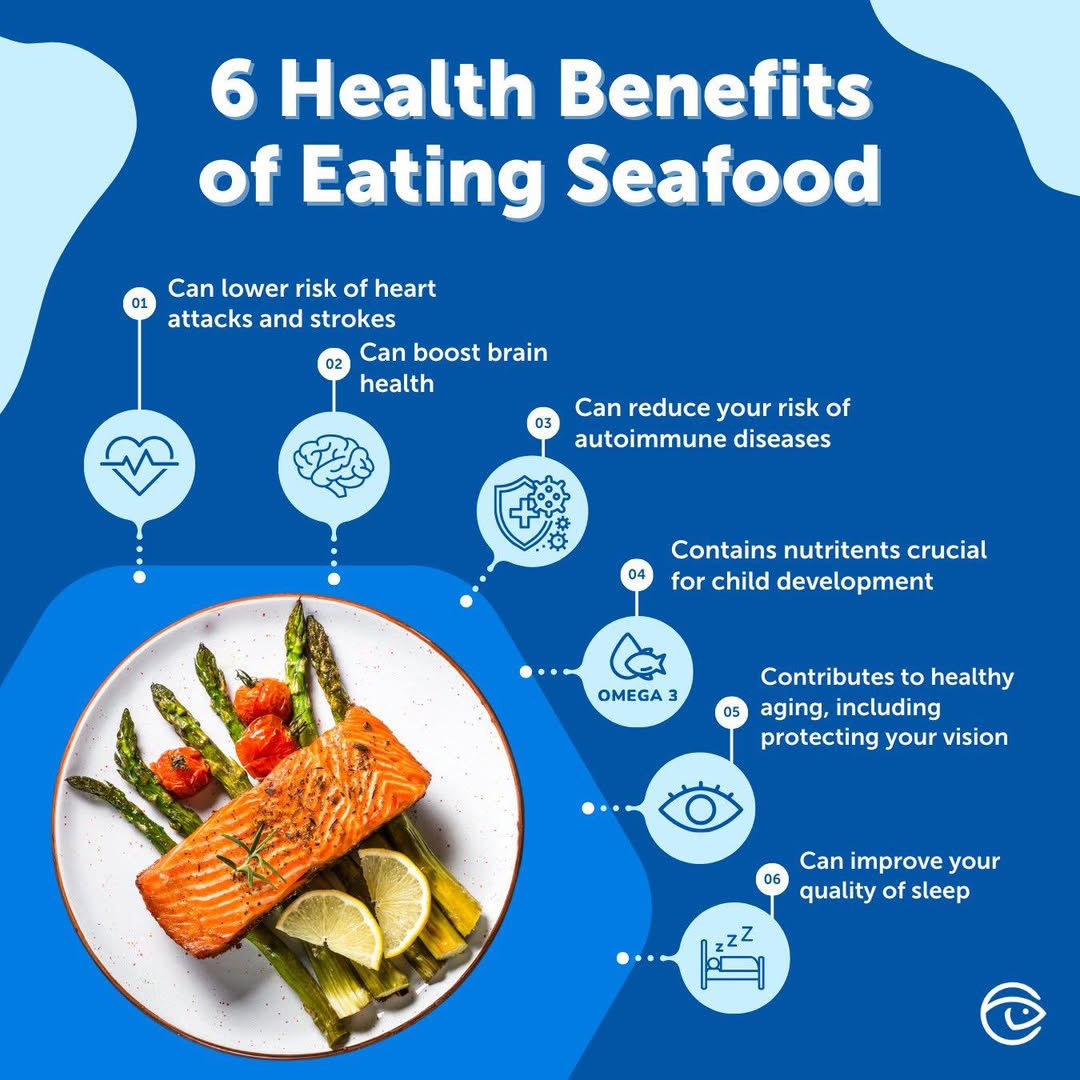
If you are eating for longevity, vibrant energy, or simply trying to optimize your daily wellness, premium seafood deserves a starring role on your plate. Unmatched by land-based proteins, wild and sustainably harvested treasures from the ocean provide an extraordinary density of essential nutrients. This is why global health organizations—including the European Food Safety Authority (EFSA), the FDA, and the American Heart Association—advocate for incorporating seafood into your diet multiple times per week. From clean, lean proteins to anti-inflammatory Omega-3 fatty acids and critical antioxidants, the nutritional profile of ocean-to-table seafood supports brain development, cardiovascular protection, glowing skin, and a resilient immune system.
The Core Pillars of Seafood Nutrition
To help map out your health goals, we have broken down the vital advantages found in our favorite selections. Standard portion measurements below are evaluated per 100g (approx. 3.5 oz) serving.
Elite, Complete Proteins
Protein is the fundamental building block required to repair muscle tissue, manufacture vital enzymes, and support immune resilience. Seafood provides a complete amino acid profile just like beef or chicken, but carries significantly less structural saturated fat. The Recommended Daily Allowance (RDA) sits at roughly 0.8g of protein per kilogram of body weight.
- Ahi Tuna: A true powerhouse yielding a massive 26g of pure protein per serving.
- Octopus: Delivers 25g of lean protein along with a highly concentrated dose of Vitamin B12.
- Wild King Salmon: Supplies 24g of pristine, muscle-building structural protein.
- Wild Blue Shrimp: An incredibly lean choice, boasting 23g of protein with minimal caloric density.
The Truth About Cholesterol & Cardiovascular Health
Dietary cholesterol presents itself in two primary vehicles: LDL (low-density lipoprotein, which can build up in arterial walls) and HDL (high-density lipoprotein, the “good” carrier that ushers excess cholesterol to the liver for processing). Eating seafood rich in polyunsaturated fats naturally lits your protective HDL levels.
- Anchovies: Tiny but mighty, containing just 51mg of cholesterol alongside immense flavor and micro-nutritional density.
- Black Cod (Sablefish): Offers a rich, buttery luxury with only 44mg of cholesterol.
- European Branzino (Sea Bass): A highly versatile, elegant whitefish containing a modest 62mg of cholesterol.
Essential Omega-3 Fatty Acids (EPA & DHA)
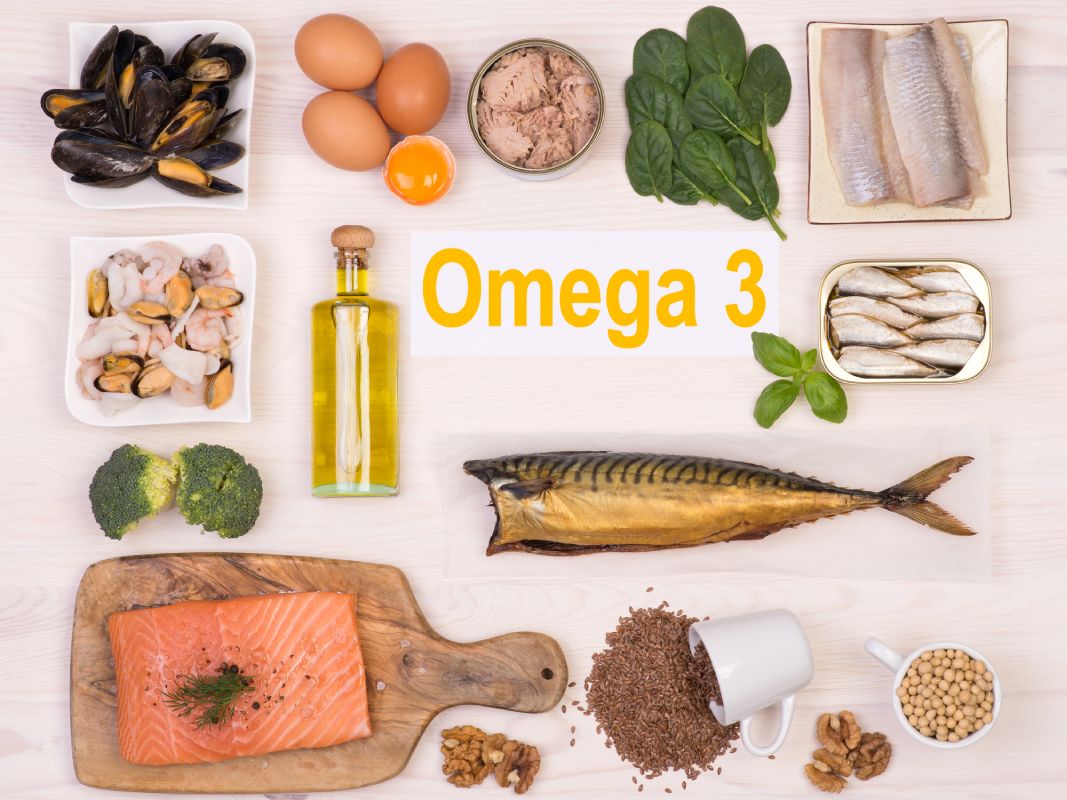
Our bodies cannot produce Omega-3 fatty acids endogenously; they must be acquired through our diet. These healthy polyunsaturated fats lower circulating triglycerides, reduce systemic inflammation, and shield the cardiovascular system from long-term stress. Global health authorities recommend a baseline intake of 1,100mg to 1,600mg of Omega-3s daily. Omega-3 fatty acids contribute significantly to cardiovascular health, brain function, metabolic balance, and vision health.
- EPA (Eicosapentaenoic Acid): Deeply targets heart health, blood vessels, and joint inflammation. Abundant in oily cold-water species.
- DHA (Docosahexaenoic Acid): A vital structural component of the human brain’s gray matter and retina. Critical for cognitive acuity at every stage of life.
- The Top Sources:
Wild Mackerel (898mg EPA / 1,400mg DHA),
Wild Herring (909mg EPA / 1,100mg DHA), and
Premium Salmon (averaging 862mg–1,010mg EPA / 944mg–1,100mg DHA).
Zero to Low Saturated Fats
Swapping out heavy land proteins for marine alternatives is an effortless way to keep your saturated fat intake safely below the recommended 10% daily caloric ceiling. Protecting your arteries has never tasted better:
| Seafood Variety | Saturated Fat (Per 100g) | Bonus Nutritional Payoff |
|---|---|---|
| Wild Sea Scallops | 0.0g | Rich in iron, sweet flavor, and over 20g of lean protein. |
| Pacific / Atlantic Cod | 0.0g – 0.1g | Flaky white canvas perfect for clean, low-fat air-frying. |
| Yellowfin Tuna | 0.0g | A meaty, satisfying steak alternative entirely free of heavy fats. |
| King / Queen Crab | 0.1g – 0.2g | Sweet, velvety muscle tissue packed with zinc and B vitamins. |
Antioxidants & Skin Radiance (Vitamin E)
While Omega-3s keep cellular membranes hydrated, Vitamin E acts as a powerful fat-soluble antioxidant. It actively defends your skin and deep tissues from free-radical oxidation caused by environmental stress and aging. The daily target for adults is 15mg.
- Atlantic Salmon & Canned Sardines: Both deliver a brilliant 3mg of highly bioavailable Vitamin E per serving to support skin radiance from the inside out.
- Blue Crab Meat: Features 2.2mg of Vitamin E alongside an impressive array of trace minerals like zinc and Vitamin C.
- Swordfish & Rainbow Trout: Provide 2mg of skin-loving antioxidants per portion.
Maximize Your Nutrition: Smart Culinary Preparation
The nutritional value of your seafood depends heavily on how it is prepared. Deep-frying or mask-cooking with heavy, calorie-dense creams can diminish the heart-healthy benefits of a premium catch. To let the natural structural integrity of the seafood shine, focus on these light, clean techniques:
- Steaming & Poaching: Locks in moisture and preserves delicate water-soluble vitamins without introducing added fats.
- Grilling & Baking: Excellent for firm, oily fish, allowing excess surface oils to render off while keeping the interior rich in Omega-3s.
- Air-Frying & Pan-Searing: Provides that highly desired crispy texture using only a minimal mist of heart-healthy olive or avocado oil.
Seafood Health & Wellness FAQ
Please Note: While our wild and sustainably harvested Ecuadorian seafood is an exceptional asset to human longevity, dietary needs are deeply personal. We always recommend consulting with your personal physician or a registered dietitian for tailored guidance that supports your unique lifestyle goals.
How much seafood should I realistically consume each week?
A: For general health maintenance, international guidelines recommend a baseline of 8 ounces (approx. 225 grams) per week. If you are pregnant, nursing, or focusing heavily on cardiovascular healing, aiming for 8 to 12 ounces of low-mercury options ensures your body gets an optimal baseline of developmental DHA.
What about potential risks like mercury, microplastics, and high sodium?
A: Transparency is essential to wise eating. Here is how to navigate these factors with total confidence:
- Mercury: Apex predatory species (like very large marlin or bluefin) can accumulate higher concentrations over time. For daily consumption, prioritize species that sit lower on the food chain—such as salmon, trout, shrimp, cod, and sardines.
- Microplastics: Current marine data shows concentrations remain exceptionally low in clean commercial waters. To completely minimize exposure, choose clean, properly processed shellfish and species that have had their digestive tracts fully removed (deveined).
- Sodium: Unprocessed, wild-harvested seafood is naturally low in sodium. However, artisanal cured, smoked, or salted varieties carry higher seasoning metrics. Simply balance these delicacies mindfully within your daily 2,300mg sodium threshold.
Is frozen seafood just as nutritionally intact as fresh?
A: Absolutely! In fact, seafood that is cryogenically blast-frozen right at the source of harvest locks its nutritional timeline perfectly in place. This prevents the enzymatic degradation and vitamin loss that naturally occurs during long-distance transit on open fresh-air ice beds.
Does aquaculture (farm-raised) fish match the health benefits of wild-caught options?
A: Yes, provided it comes from a responsible, state-of-the-art facility. Well-managed aquaculture networks utilize highly optimized, nutrient-rich feed that consistently yields excellent, stable levels of Omega-3 fatty acids and clean structural proteins, all while protecting sensitive ocean habitats from overfishing.