Why Flash-Frozen Seafood Is Fresher Than "Fresh" at the Supermarket
The word "fresh" on a supermarket seafood counter is one of the most misleading labels in the food industry. Understanding what it actually means — and what it doesn't — will change how you buy seafood forever.
What "Fresh" at the Supermarket Usually Means
When you see "fresh" fish at a grocery store, it typically means the fish has never been frozen. What it does not tell you is when the fish was caught, how long it spent at sea before processing, how long it sat in a distribution center, or how many days it has been in that display case. The honest answer in most cases is: the fish is between 7 and 14 days old from catch date by the time it reaches your plate.
Fish begins to degrade the moment it leaves the water. Flavor, texture, and nutritional density all decline on a curve. By day 10, even fish handled well is a shadow of what it was at day one.
"The best seafood meal you've had at a great restaurant almost certainly started frozen."
What Flash-Freezing Actually Does
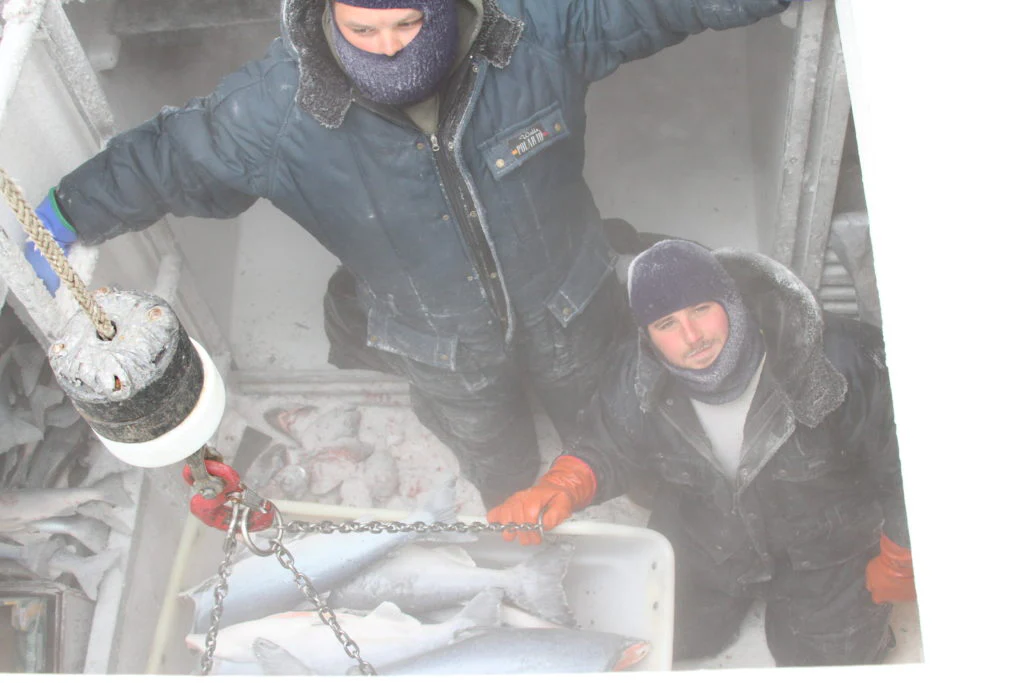
Flash-freezing — also called IQF, or individually quick frozen — drops the fish to around −40°F within minutes of being caught, often on the boat itself. At that temperature, ice crystal formation is so rapid and so small that cell walls are not damaged. When the fish is properly thawed, it is texturally and nutritionally almost identical to fish straight from the water.
The key word is properly. Slow-thaw in the refrigerator overnight. Never use a microwave, never thaw in hot water, and never leave it on the counter. Done right, the fish you thaw from our shipments will outperform the "fresh" fish at most supermarkets on every measurable quality metric.
The Right Way to Thaw
- Move the vacuum-sealed fish from freezer to fridge the night before.
- Allow 8–12 hours for a full thaw at refrigerator temperature.
- Keep it sealed until you're ready to cook — this preserves moisture.
- Pat dry with paper towel before seasoning. Never rinse.
- Cook within 24 hours of thawing. Do not refreeze.
The Sustainability Angle
There's an environmental argument here too. Flash-freezing at source means less waste across the entire supply chain. Fish that isn't sold isn't thrown away — it can be stored. It also allows fishing operations to work more efficiently without the time pressure of getting fresh product to market before it spoils, which historically led to overfishing and poor handling practices.
What to Look for When Buying Frozen Seafood
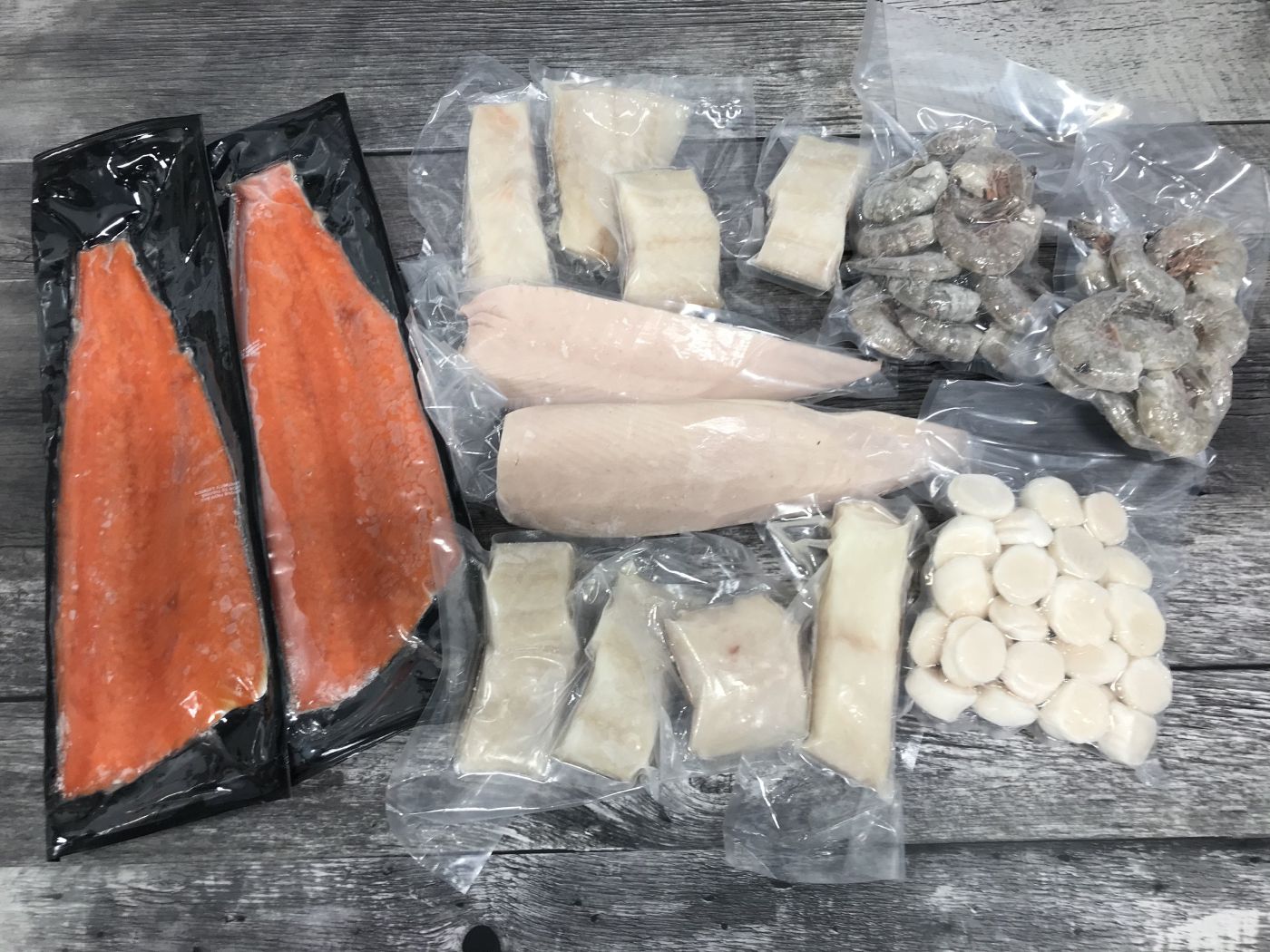
Avoid fish with heavy ice crystals inside the packaging — that's a sign of temperature fluctuation during storage, which means partial thawing and refreezing has occurred. The fish should be solid, with no discoloration or freezer burn on the flesh. At Foods of the Sea, every product is vacuum-sealed before freezing, which eliminates oxidation and keeps the fish in its peak state until it reaches you.
The best seafood meal you've ever had at a great restaurant almost certainly started frozen. Now you know how to replicate it at home.
Day-one freshness. Delivered.
Every product vacuum-sealed and flash-frozen at source. No middleman, no compromise.