
The 60-Second Rule That Separates Good Tuna from Great Tuna
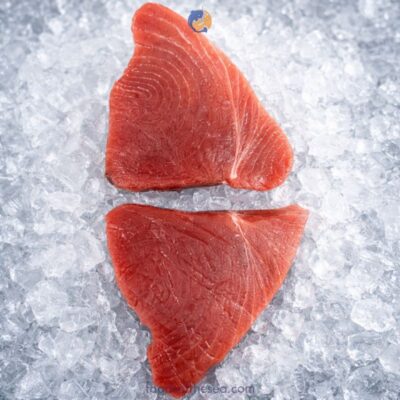
Most people overcook tuna. It's not their fault — decades of food safety messaging trained us to cook fish all the way through, and that instinct is hard to shake. But Ahi tuna is not tilapia. It is not salmon. It is one of the few proteins that is genuinely better — safer, tastier, and more nutritious — when treated like a fine steak and served medium-rare.
"60 seconds per side on a screaming-hot pan. That's the whole rule."
Why High Heat, Short Time?
Ahi tuna has an incredibly lean, dense muscle structure. Unlike fattier fish that benefit from gentle, slower cooking to render down their fat, tuna needs fast, fierce heat to sear the outside into a golden crust while keeping the interior cool, ruby-red, and silky. The moment you push past that window, the proteins tighten, moisture escapes, and you're left with something that tastes closer to canned tuna than the restaurant-quality experience you were after.
The Method — Step by Step
- Get your cast iron or stainless pan ripping hot — smoke-point hot.
- Add a thin layer of avocado or grapeseed oil.
- Season the steak generously with flaky salt and cracked black pepper.
- Lay it down and don't touch it for exactly 60 seconds.
- Flip once. Another 60 seconds. Off the heat immediately.
- Rest for two minutes, then slice against the grain.

What "Sushi-Grade" Actually Means
You'll see the term on our product pages and wonder what it means practically. It means the fish was caught, handled, and frozen to a temperature that eliminates parasitic risk — the same standard used by sushi chefs who serve it completely raw. When you're cooking our Ahi to medium-rare, you're actually being more conservative than the chefs at the sushi bar down the street. The quality ceiling is identical.
The Best Pairings
A seared Ahi steak wants contrast. Pair it with something acidic — a citrus soy glaze, a ginger-lime dipping sauce, or simply a wedge of lemon squeezed right as it comes off the pan. Sesame seeds add crunch. A side of steamed edamame or a crisp Asian slaw keeps the meal light and lets the tuna stay the star.
Once you nail the 60-second sear, you will never go back to well-done tuna again. It's a genuinely life-changing kitchen moment.
Ready to cook the real thing?
Shop our Ahi Tuna Steaks and Sesame-Crusted Tuna — sushi-grade, individually vacuum-sealed.